
Wisdom Teeth & Surgical Extraction
Relieve pain and protect your oral health with safe, expert wisdom tooth removal.
Impacted or problematic wisdom teeth can cause pain, swelling, infection, and damage to nearby teeth. Surgical extraction is a safe and effective solution to prevent complications and maintain long-term oral health.
Wisdom teeth, also known as third molars, often don’t have enough space to grow properly. This can lead to impaction, crowding, or infection. Surgical extraction involves carefully removing these teeth from the jawbone under controlled and sterile conditions.
Our approach focuses on precision, comfort, and quick recovery. Using advanced techniques and anesthesia options, we ensure minimal discomfort and a smooth healing process. Each procedure is customized based on your dental condition and complexity of extraction.
Key Benefits of Wisdom Tooth Extraction
Wisdom tooth removal helps prevent future dental issues and improves overall oral health. It eliminates pain sources and protects surrounding teeth and gums.
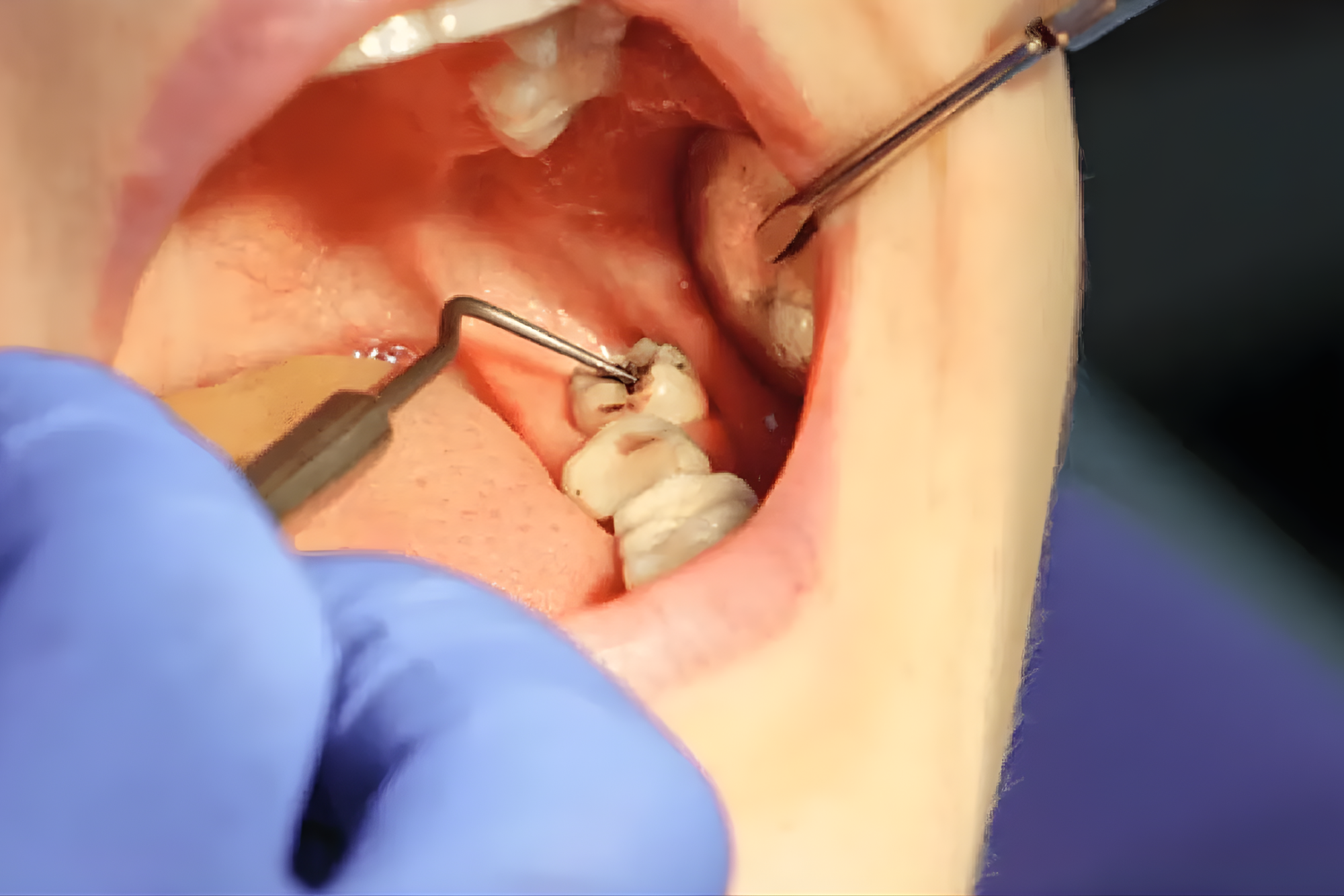
- Pain relief from impacted or infected teeth
- Prevents damage to adjacent teeth
- Reduces risk of gum infection and cyst formation
- Improves oral hygiene and accessibility
- Prevents overcrowding and alignment issues
- Promotes long-term dental health and comfort
Treatments Steps
- Consultation
We examine your oral condition using X-rays to assess the position of wisdom teeth and determine the need for extraction.
- Treatments
The tooth is carefully removed using safe surgical techniques under local anesthesia or sedation, ensuring a comfortable experience.
- Recovery
Post-procedure care is guided for smooth healing. Most patients recover quickly and resume normal activities within a few days.
We care for your family dental needs
Delivering advanced treatments for a healthier, confident smile.
Smart way to get healthy teeth is to go see a dentist
Routine check-ups help prevent issues early and keep your smile strong. Professional care ensures better hygiene, long-term health, and lasting confidence.
Frequently Asked Questions
Find answers to the most common questions about wisdom teeth, procedures, recovery, and long-term care. Our goal is to help you make informed decisions with clarity and confidence.
Wisdom teeth are the last set of molars that usually emerge between ages 17–25. Many people don’t have enough space in their jaw, which can cause problems.
Removal is recommended if they:
- Are impacted (stuck under gums or bone)
- Grow at an angle and push other teeth
- Cause pain, swelling, or infection
- Lead to cavities or gum disease in nearby teeth
No. If wisdom teeth:
- Grow normally
- Are painless
- Are easy to clean
They may not need removal. Dentists evaluate this with X-rays.
- The procedure itself is not painful due to anesthesia (local or sometimes sedation).
- You may feel pressure, but not sharp pain.
- Usually 20–45 minutes
- Complex cases may take longer
- Swelling and mild pain for 2–3 days
- Full recovery: about 1–2 weeks
- You may have:
- Stitches (often dissolvable)
- Limited mouth opening initially
Start with soft foods like:
- Yogurt
- Ice cream
- Mashed potatoes
- Soup (not too hot)
Avoid:
- Crunchy, spicy, or hard foods
- Using straws (can cause dry socket)
A condition where the blood clot at the extraction site dislodges, exposing bone and causing severe pain.
Risk increases with:
- Smoking
- Drinking through straws
- Poor aftercare
Yes, your dentist may prescribe:
- Pain relievers
- Antibiotics (if infection risk is high)
- Apply an ice pack (first 24 hours)
- Keep your head elevated
- Rest well
- Smoking or alcohol (at least 72 hours)
- Heavy exercise
- Touching the wound with fingers or tongue
- You can brush after 24 hours
- Avoid the extraction site initially
- Gentle rinsing with salt water helps healing
Contact your dentist if you have:
- Severe or worsening pain
- Excessive bleeding
- Fever
- Bad taste or pus
Costs vary depending on complexity and location.