
Pre-Prosthetic Surgery
Prepare your mouth for a perfect fit with advanced pre-prosthetic surgical care.
Irregular jawbone structure or excess tissue can affect the fit and comfort of dental prosthetics like dentures or bridges. Pre-prosthetic surgery ensures your mouth is properly prepared for stable, long-lasting restorations.
Pre-prosthetic surgery involves reshaping the bone and soft tissues of the jaw to create an ideal foundation for dental prostheses. This may include removing excess bone, smoothing sharp areas, or correcting gum irregularities.
Our approach focuses on precision, safety, and long-term functionality. Using modern surgical techniques, we ensure minimal discomfort and faster healing. Each procedure is carefully planned to support the best fit, comfort, and performance of your dental prosthetic.
Key Benefits of Pre-Prosthetic Surgery
Pre-prosthetic procedures improve the success and comfort of dental restorations by creating a stable and supportive oral structure.
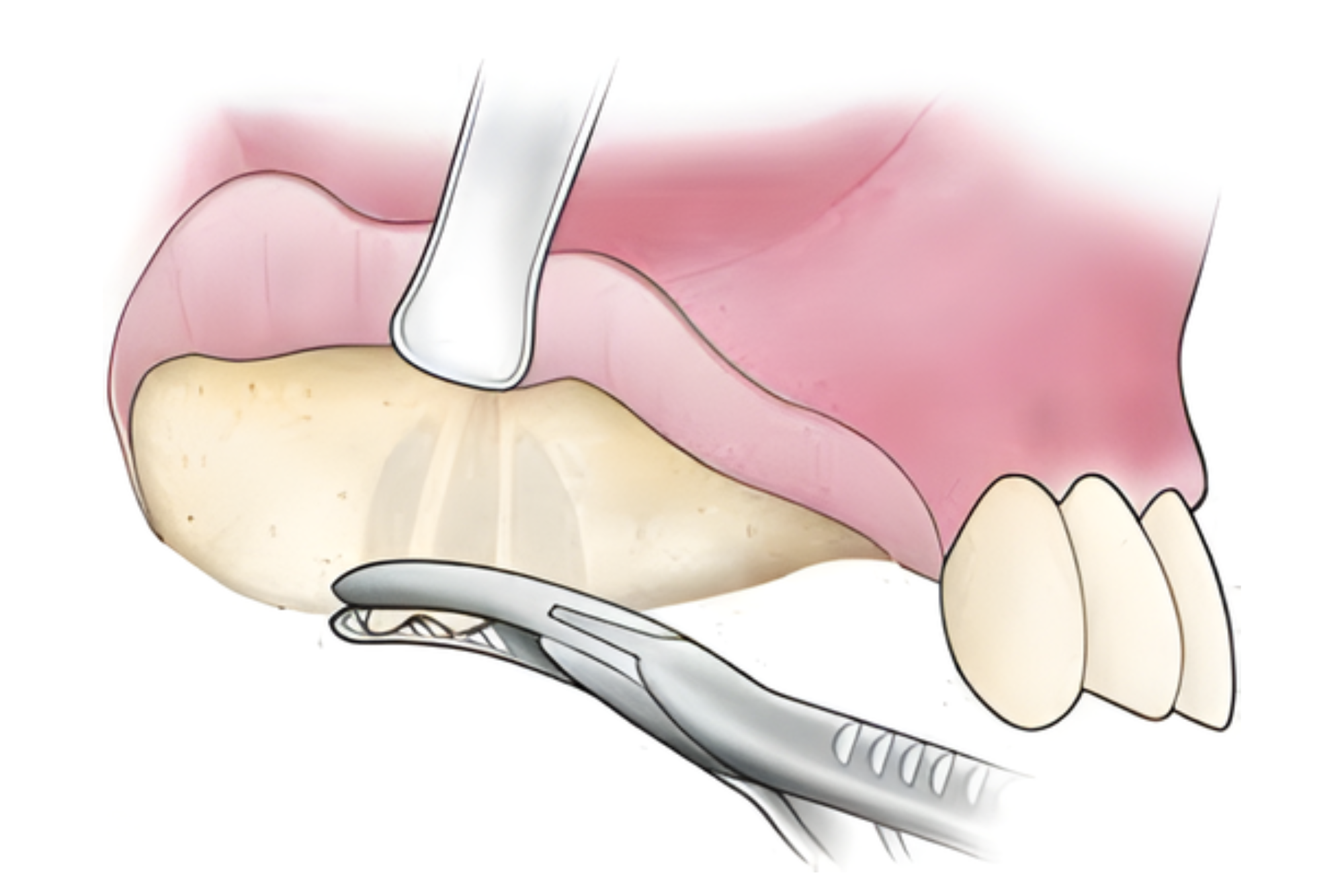
- Ensures better fit and stability of dentures or prosthetics
- Enhances comfort during speaking and chewing
- Prevents irritation and sore spots
- Improves overall oral function
- Supports long-term durability of restorations
- Creates a balanced and healthy oral foundation
Treatments Steps
- Consultation
We evaluate your oral structure and prosthetic requirements using clinical examination and imaging to plan the procedure.
- Treatments
The jawbone or soft tissue is carefully reshaped using advanced surgical techniques to prepare for prosthetic placement.
- Recovery
Healing is monitored with proper care guidance to ensure your mouth is ready for the next stage of prosthetic treatment.
We care for your family dental needs
Delivering advanced treatments for a healthier, confident smile.
Smart way to get healthy teeth is to go see a dentist
Routine check-ups help prevent issues early and keep your smile strong. Professional care ensures better hygiene, long-term health, and lasting confidence.
Frequently Asked Questions
Find answers to the most common questions about dental implants, procedures, recovery, and long-term care. Our goal is to help you make informed decisions with clarity and confidence.
Implantology is a branch of dentistry that deals with dental implants – artificial teeth roots surgically placed into the jawbone.
They're a popular option for replacing missing teeth, offering a natural look and feel, and can last for decades with proper care.
Generally, people with good oral health, sufficient bone density, and healthy gums are suitable. Your dentist will assess your suitability.
Yes, modern implants are designed to match your natural teeth in shape, size, and color.
It usually involves a consultation, implant placement surgery, healing time (osseointegration), and finally, attaching the prosthetic tooth/teeth.
The full process can take 3–6 months, as it involves healing time for the implant to fuse with the bone.
The procedure is usually done under local anesthesia, so you won’t feel pain during surgery. Mild discomfort afterward is common but manageable with medication.
Initial healing: a few days to a week
Full integration: several months
With proper care, implants can last 20–25 years or even a lifetime. The crown may need replacement after 10–15 years.
Dental implants have a high success rate, typically 95–98%, depending on the patient’s health and oral hygiene.
Costs vary widely depending on location, complexity, and materials. Best to consult our specialist for a quote.
Regular brushing, flossing, and dental check-ups are key.
Yes, dental implants are considered safe and well-established. Complications are rare but may include infection or implant failure.
Infection, nerve damage, and implant failure are possible but rare with a skilled dentist.