
Oral Pathology & TMJ Management
Accurate diagnosis and effective treatment for oral diseases and jaw joint disorders.
Unusual oral symptoms like persistent sores, lumps, or jaw pain can indicate underlying conditions that require expert evaluation. TMJ (temporomandibular joint) issues can also lead to discomfort, headaches, and difficulty in jaw movement. Early diagnosis and care are key to preventing complications.
Oral pathology focuses on identifying and managing diseases affecting the mouth, including infections, lesions, and abnormal tissue changes. TMJ management addresses disorders of the jaw joint and surrounding muscles that may cause pain, clicking sounds, or restricted movement.
Our approach combines precise diagnosis with personalized treatment planning. Using advanced diagnostic tools and modern techniques, we ensure effective management with minimal discomfort. Each treatment plan is tailored to your condition for long-term relief and improved oral function.
Key Benefits of Oral Pathology & TMJ Management
These treatments help detect issues early and provide relief from discomfort while improving overall oral health and jaw function.
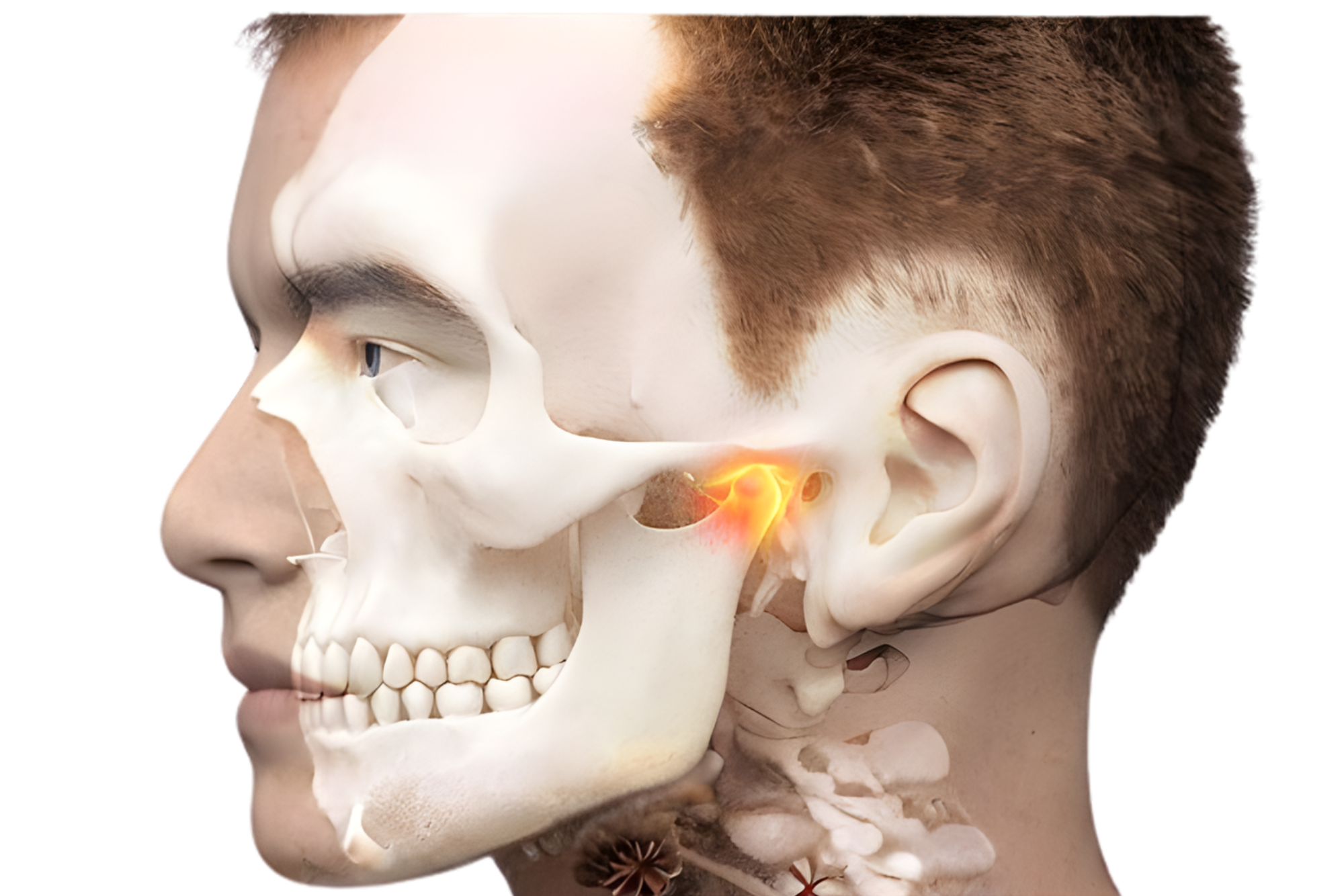
- Early detection of oral diseases and abnormalities
- Relief from jaw pain, stiffness, and discomfort
- Improved jaw movement and function
- Prevention of serious oral health complications
- Personalized treatment for long-term results
- Better overall oral and facial health
Treatments Steps
- Consultation
We evaluate your symptoms through detailed examination and diagnostic tests to identify the underlying condition.
- Treatments
Appropriate therapy is provided, which may include medication, minor procedures, or TMJ-specific treatments based on your diagnosis.
- Recovery
Follow-up care and guidance ensure proper healing, symptom management, and long-term oral health maintenance.
We care for your family dental needs
Delivering advanced treatments for a healthier, confident smile.
Smart way to get healthy teeth is to go see a dentist
Routine check-ups help prevent issues early and keep your smile strong. Professional care ensures better hygiene, long-term health, and lasting confidence.
Frequently Asked Questions
Find answers to the most common questions about dental implants, procedures, recovery, and long-term care. Our goal is to help you make informed decisions with clarity and confidence.
Implantology is a branch of dentistry that deals with dental implants – artificial teeth roots surgically placed into the jawbone.
They're a popular option for replacing missing teeth, offering a natural look and feel, and can last for decades with proper care.
Generally, people with good oral health, sufficient bone density, and healthy gums are suitable. Your dentist will assess your suitability.
Yes, modern implants are designed to match your natural teeth in shape, size, and color.
It usually involves a consultation, implant placement surgery, healing time (osseointegration), and finally, attaching the prosthetic tooth/teeth.
The full process can take 3–6 months, as it involves healing time for the implant to fuse with the bone.
The procedure is usually done under local anesthesia, so you won’t feel pain during surgery. Mild discomfort afterward is common but manageable with medication.
Initial healing: a few days to a week
Full integration: several months
With proper care, implants can last 20–25 years or even a lifetime. The crown may need replacement after 10–15 years.
Dental implants have a high success rate, typically 95–98%, depending on the patient’s health and oral hygiene.
Costs vary widely depending on location, complexity, and materials. Best to consult our specialist for a quote.
Regular brushing, flossing, and dental check-ups are key.
Yes, dental implants are considered safe and well-established. Complications are rare but may include infection or implant failure.
Infection, nerve damage, and implant failure are possible but rare with a skilled dentist.